
Achilles Tendonitis Treatment in Whitby
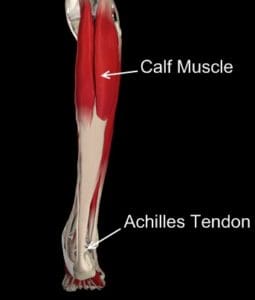
Achilles tendon connects the calf muscles to the heel bone and is the strongest tendon in the body. Achilles tendinopathy occurs when the tendon becomes irritated or overloaded leading to weakness and stiffness, leading to small tears. Early treatment is important because the tendon has a limited blood supply and heals slowly. We assess and treat Achilles tendonitis at our Whitby clinic to help reduce pain, restore mobility, and prevent further injury.
What Is Achilles Tendonitis?
Achilles tendonitis (Achilles tendinopathy) is inflammation and degeneration of the Achilles tendon. Overuse, repetitive strain, or sudden increases in activity can cause the tendon to become less flexible and develop micro‑tears. If left untreated, the condition can progress and may lead to a complete tendon rupture.
Causes of Achilles Tendinopathy
Most cases occur when the physical demands placed on the tendon exceed its ability to recover. Common contributing factors include:
-
Repetitive jumping (basketball, volleyball)
-
Sudden increase in activity or training intensity
-
Inadequate recovery time between workouts
-
Training on hard or uneven surfaces
-
Poor or worn‑out footwear
-
Flat feet or unstable foot mechanics
-
Limited ankle mobility
-
Weak calf muscles
Signs and Symptoms
Symptoms often develop gradually as repetitive stress causes small tears in the tendon. Common signs include:
-
Pain and stiffness above the heel
-
Pain during or after activity
-
Morning stiffness
-
Decreased strength in the lower leg
-
Reduced ankle mobility
Why Achilles Tendonitis Should Not Be Ignored
Because the Achilles tendon has a poor blood supply, healing is slow. Untreated tendinopathy can progress to chronic degeneration or, in severe cases, a full tendon rupture requiring surgery. Early intervention significantly improves outcomes.
Treatment Options for Achilles Tendonitis
Your family doctor, chiropodist, or physiotherapist may recommend one or more of the following treatments to reduce pain and promote healing:
Activity Modification
Switch to low‑impact exercise such as cycling, swimming, or using an elliptical machine.
Ice Massage
Helps reduce inflammation after activity.
Laser Therapy
Used to decrease pain and stimulate tissue repair.
Footwear Changes
Supportive shoes reduce strain on the tendon.
Heel Lifts
Temporarily reduce tension on the calf muscles and Achilles tendon.
Arch Supports or Custom Orthotics
Improve foot stability and reduce excessive strain on the tendon.
Night Splints
Gently stretch the calf muscles and Achilles tendon overnight.
When to Seek Care
Book an assessment if you experience:
-
Persistent pain above the heel
-
Morning stiffness that doesn’t improve
-
Pain during walking or exercise
-
Swelling or thickening of the tendon
-
Difficulty pushing off the foot
Early treatment helps prevent long‑term damage and speeds recovery.
Achilles Tendonitis Treatment in Whitby
We assess gait mechanics, calf flexibility, foot posture, and tendon irritation to determine the most effective treatment plan. Our goal is to reduce pain, restore mobility, and help you return to activity safely.
Book an Appointment
Book an appointment, if you’re experiencing Achilles tendon pain or stiffness, early assessment is important to prevent the condition from worsening. We provide conservative treatment options tailored to your activity level and foot mechanics.