High‑Arched Feet (Pes Cavus): Causes, Symptoms & Treatment in Whitby
What Are High‑Arched Feet?
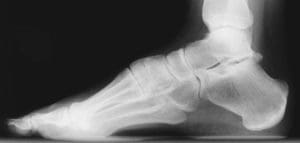
Pes cavus is the opposite of flat feet. It usually appears in both feet and often begins in childhood. Sudden onset or one‑sided cavus may indicate trauma or neuromuscular disease.
High arches absorb shock poorly, increasing stress on the foot, ankle, knees, hips, and lower back.
Appearance of High‑Arched Feet
-
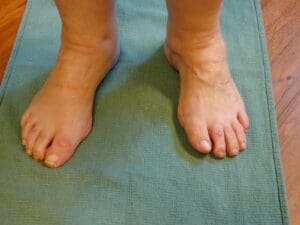
Instep looks hollow when standing
-
Weight is concentrated on the heel and metatarsal heads
-
Arch may be rigid or flexible
-
Forefoot may appear dropped when sitting
-
Heel may tilt inward (supinated position)
Causes of Pes Cavus
-
Normal anatomical variant
-
Hereditary foot structure
-
Congenital conditions (e.g., cerebral palsy, clubfoot)
-
Neuromuscular disease (e.g., Charcot‑Marie‑Tooth, polio)
-
Nerve trauma
Neurological testing may include EMG, MRI, nerve conduction studies, or X‑rays.
Symptoms & Complications
Symptoms vary depending on arch height, joint mobility, and activity level. Common issues include:
-
Difficulty finding proper footwear
-
Clawed toes and corns
-
Pain with walking or standing
-
Metatarsalgia (1st and 5th metatarsal heads)
-
Mid‑foot pain and stiffness
-
Morton’s neuroma
-
Plantar fasciitis
-
Stress fractures
-
Chronic ulcers (especially in diabetics)
-
Ankle instability and frequent sprains
-
Tight Achilles tendons
- Knee, hip, or lower‑back pain
Treatment for High‑Arched Feet
Rule Out Neurological Causes
A careful evaluation is needed to determine whether a neurological condition is contributing to the cavus foot.
Footwear Recommendations
- Cushioned shoes
- Deep toe box
- Proper arch support
Debridement of Corns & Calluses
Reduces pressure and improves comfort.
Pressure‑Relieving Pads
Silicone or felt pads help offload painful areas.
Weight Management
Reduces load on the feet.
Physical Therapy Modalities
Laser therapy for associated tendonitis.
Manual Foot & Ankle Mobilization
Improves joint range of motion.
Custom Foot Orthotics
Custom semi‑rigid or semi‑flexible orthotics:
- Increase shock absorption
- Redistribute pressure
- Reduce supination
- Support stressed joints and soft tissues
Over‑the‑counter arch supports may help mild cases but are often insufficient for severe pes cavus.
Prognosis
Outcome depends on the underlying cause.
Many patients experience significant relief with proper footwear and custom orthotics.
High‑Arched Foot Treatment in Whitby
We provide full biomechanical assessment, gait analysis, pressure mapping, and custom orthotic solutions for patients with pes cavus.