
Arthritis in the Foot: Treatment in Whitby
Arthritis in the foot can cause stiffness, swelling, and pain that make walking and daily activities difficult. Because the foot contains many small joints that bear weight with every step, even mild arthritis can significantly affect mobility. We assess and treat foot arthritis at our Whitby clinic to reduce pain, improve joint function, and help you stay active.
What Is Arthritis in the Foot?
Arthritis refers to inflammation in and around a joint. In the foot, this inflammation can affect cartilage, joint capsules, ligaments, tendons, and surrounding soft tissues. Arthritis may develop from wear‑and‑tear, autoimmune disease, metabolic conditions, or previous injury. Regardless of the cause, arthritis can become painful, degenerative, and limiting if not managed early.
Common Types of Foot Arthritis
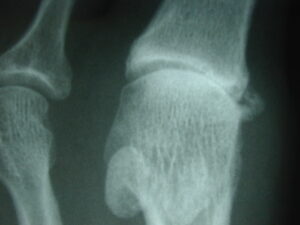
Osteoarthritis (OA)
Osteoarthritis is a degenerative “wear‑and‑tear” condition caused by thinning of the cartilage that cushions the ends of bones. As cartilage wears down, the bones rub together, leading to stiffness, swelling, and pain.
- Often affects the midfoot and big toe joints
- Causes reduced motion and difficulty walking
- Joint stiffness improves with gentle movement
- Custom orthotics help reduce joint stress
- Manual foot mobilization can improve flexibility
Rheumatoid Arthritis (RA)
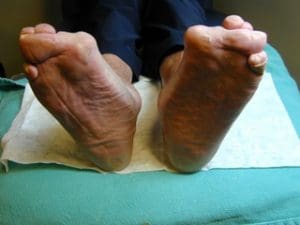
Rheumatoid arthritis is an autoimmune disease in which the immune system attacks the synovial lining of joints. This leads to inflammation, joint destruction, and deformity.
- Commonly affects the small joints of the feet
- Causes stiffness, swelling, and reduced mobility
- Sensitive joints require soft, cushioned footwear
- Custom orthotics help stabilize painful joints
- Footwear modifications accommodate crooked or sensitive toes
Gout
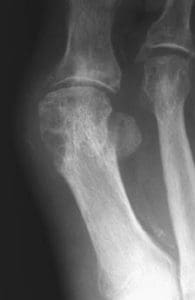
Gout is caused by a buildup of uric acid crystals in the joints.
- The big toe joint is the most commonly affected
- Attacks are sudden, severe, and extremely painful
- The joint becomes hot, red, and swollen
- Recurrent attacks can damage joints
- Hard uric acid deposits (tophi) may form in tissues

Why Arthritis Affects the Feet
The feet contain 26 bones and more than 30 joints that work together during standing and walking. When arthritis affects these joints, even small changes in alignment or mobility can lead to significant discomfort. Systemic conditions such as RA or gout often appear in the feet early because of the high mechanical demands placed on these joints.
Symptoms of Foot Arthritis
-
Joint stiffness, especially in the morning
-
Swelling or warmth around the joint
-
Pain during walking or standing
-
Reduced range of motion
-
Difficulty bending the toes or midfoot
-
Joint deformity in advanced cases
How We Assess Foot Arthritis
Assessment includes:
-
Joint mobility testing
-
Foot posture and alignment evaluation
-
Gait analysis
-
Footwear assessment
-
Identification of pressure points and deformities
This helps determine the type of arthritis and the most effective treatment approach.
Treatment Options for Foot Arthritis
Custom Foot Orthotics
Orthotics help reduce joint stress by improving alignment and limiting excessive motion. They are especially helpful for:
- Midfoot arthritis
- Big toe joint arthritis
- Rheumatoid arthritis with joint instability
Supportive Footwear
Footwear recommendations may include:
- Soft leather uppers for sensitive joints
- Extra‑depth shoes for crooked toes
- Cushioned soles to replace lost fat padding
- Velcro® straps for patients with hand arthritis
Manual Foot Therapy
Gentle joint mobilization can improve stiffness and help restore movement in arthritic joints, especially in the midfoot.
Activity Modification
Adjusting activity levels, avoiding high‑impact exercise, and incorporating low‑impact alternatives can reduce joint irritation.
Strengthening & Flexibility Exercises
Exercises that maintain joint mobility and muscle flexibility help reduce stiffness and improve function.
Medical Management
Your family physician may prescribe:
- Anti‑inflammatory medications
- Disease‑modifying drugs for RA
- Corticosteroids when appropriate
Surgical referral may be recommended for severe deformity or persistent pain.
When to Seek Care
You should book an assessment if you experience:
-
Persistent joint pain
-
Difficulty walking or standing
-
Swelling or warmth in the foot
-
Crooked or changing toe alignment
-
Pain that interferes with daily activity
Arthritis Treatment in Whitby
We provide assessment, orthotic therapy, footwear guidance, and conservative treatment options to help manage arthritis in the feet. Our goal is to reduce pain, improve mobility, and help you stay active and comfortable.
Book an Appointment
Book an appointment If arthritis is affecting your comfort or mobility, early assessment can help prevent worsening symptoms.