
How Custom Foot Orthotics Are Prescribed at Whitby Family Footcare
What Goes Into a Custom Foot Orthotic Prescription
A truly custom-made foot orthotic is built from multiple clinical assessments, measurements, and casting techniques. Each step ensures the device addresses your specific symptoms, biomechanics, and footwear needs.
Step 1: Understanding Your Foot or Leg Complaint
Your visit begins with a detailed history of your symptoms—how they started, what aggravates them, and how they affect daily activities. This information guides the biomechanical exam and influences the final prescription.
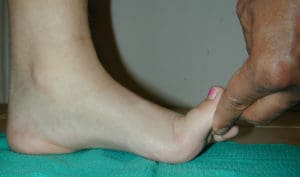
Step 2: Biomechanical Examination
Your feet and lower limbs are assessed while standing or lying down. This includes evaluating:
-
Joint motion
-
Bone alignment
-
Muscle strength and flexibility
-
Areas of overuse or tissue stress
These findings help identify structural or functional issues contributing to pain or instability.
Step 3: Gait Analysis
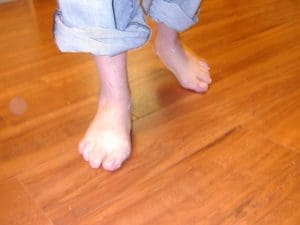
You will be observed walking—and if you’re a runner, possibly running on a treadmill. Gait analysis helps identify:
-
Leg length differences
-
Foot flattening or asymmetry
-
Abnormal loading patterns
-
The need for pressure mapping or video analysis
These insights refine the orthotic prescription.
Step 4: 3D Foot Casting Methods
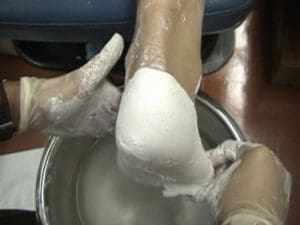
Capturing the exact 3D shape of your foot is essential for a true custom device. Casting method depends on joint mobility and foot structure:
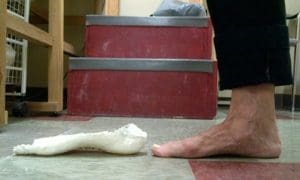
Semi‑Weight‑Bearing Casting
Used when joint motion is limited (e.g., arthritis). The foot is casted while seated with the foot contacting the floor. Foam box impressions may also be used.
Neutral Position Casting
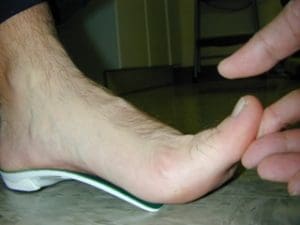
Used when joints move normally. The foot is casted non‑weight‑bearing while held in a stable, neutral position—especially at the talo‑navicular joint.
3D Laser Scanning
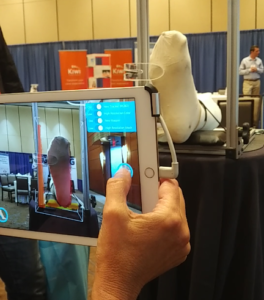
A clean, efficient alternative to plaster. Scanners capture the full plantar contour and transmit data electronically to the orthotic lab.
Step 5: Writing the Orthotic Prescription
The prescription integrates findings from:
-
History
-
Biomechanical exam
-
Gait analysis
-
3D casting
Key prescription elements include:
-
Shell flexibility based on weight, activity, and occupation
-
Device width for stability
-
Heel cup depth for control
-
Additions for neuromas, corns, or pressure relief
-
Footwear compatibility, since some devices require more shoe volume
This step ensures the orthotic is tailored to your biomechanics and lifestyle.
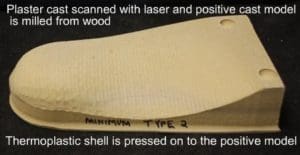
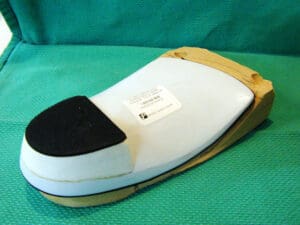
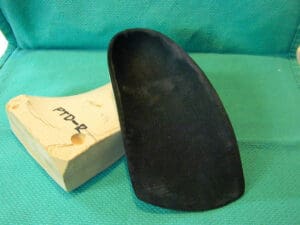
Step 6: Orthotic Fabrication
Your cast and prescription are sent to a specialized orthotic laboratory. Fabrication typically takes up to two weeks.
Step 7: Orthotic Fitting, Break‑In, and Follow‑Up
At your dispensing appointment, your orthotics are fitted using a clinical checklist. Patients usually adapt over four weeks, though some adjust immediately. Temporary aches in the feet, legs, hips, or back can occur as your body adapts. Modifications may be made after the break‑in period to improve comfort.
Book an Appointment
If you’re experiencing foot, ankle, or lower‑leg pain, a custom foot orthotic may help.
Book an appointment for custom foot orthotic assessment.at Whitby Family Footcare Clinic, located at:
107‑420 Green St., Whitby, Ontario Entrance on Ontario Street Tel: 905‑668‑8233