
Dry Skin and Cracked Heels, Treatment in Whitby
We provide effective dry skin and cracked heel treatment in Whitby, helping patients manage rough, painful, or splitting skin on the feet. Dry skin can be cosmetic for some people, but for others it leads to painful fissures, bleeding, and infection. Our chiropodists assess the underlying cause and offer both in‑clinic care and simple home routines to restore healthy skin.
Question: Why do I have dry, rough, or cracked skin on my feet, and is it something to worry about?
Answer: Dry, rough, or cracked skin on the feet is extremely common. For some people it’s mostly cosmetic. For others, the skin can split, bleed, or become painful and infected. Because the feet carry body weight and are exposed to pressure, friction, and footwear all day, dry skin behaves differently here than anywhere else.
Below is a simple explanation of why feet get dry, what can make it worse, and the treatments that help.
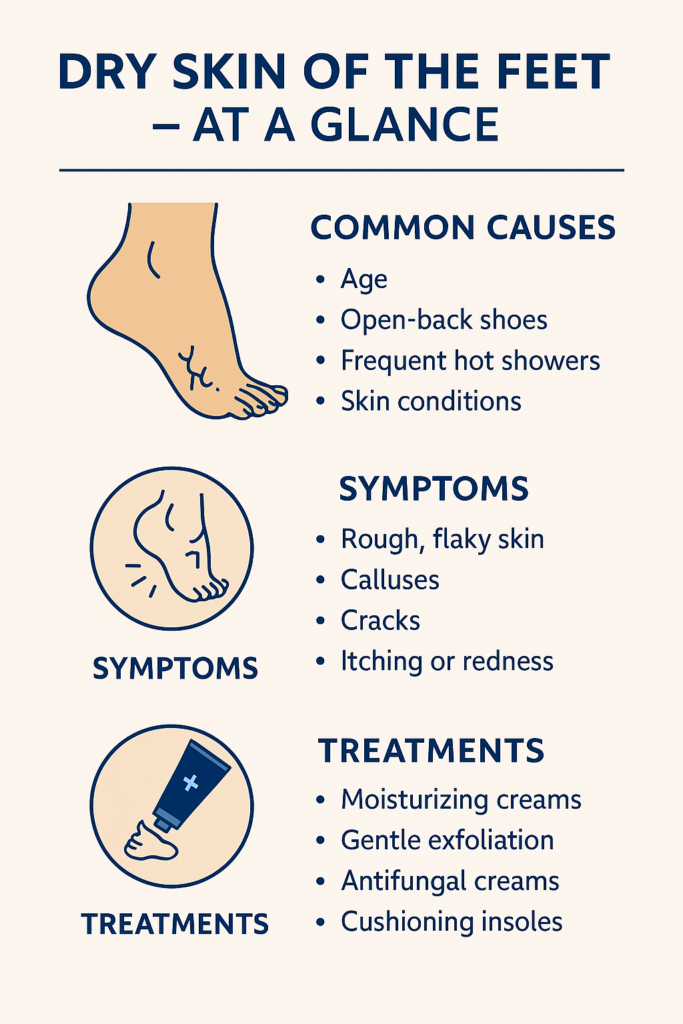
What Causes Dry Skin on the Feet?
Everyday causes
- Age‑related thinning of the skin
- Open‑back footwear that allows the heel to expand sideways
- Hard insoles or friction from shoes
- Long, hot showers and strong soaps
- Cold, dry Ontario winters and indoor heating
Medical contributors
- Eczema or psoriasis
- Athlete’s foot (fungal infection)
- Diabetes or circulation problems
- Hypothyroidism and other systemic conditions
In simple terms: anything that reduces natural oils, increases friction, or changes how your feet bear weight can lead to dry, cracked skin.
What Dry Skin Looks and Feels Like
People often notice:
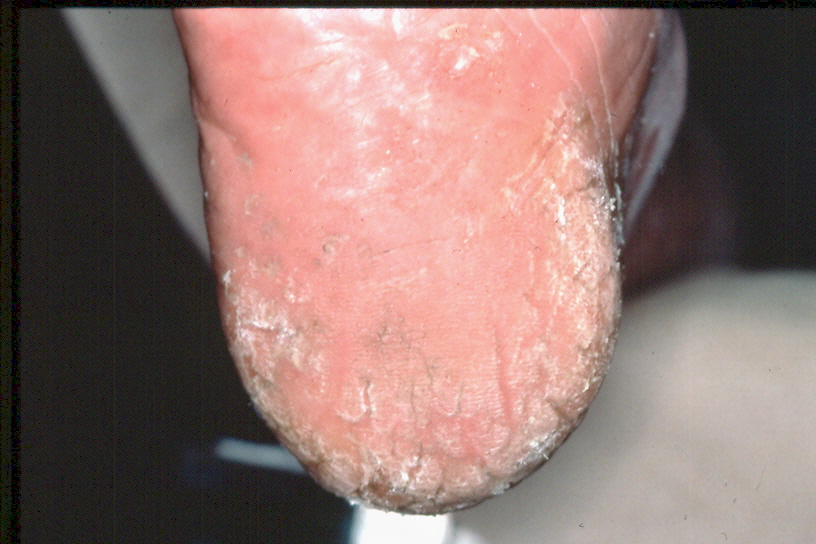
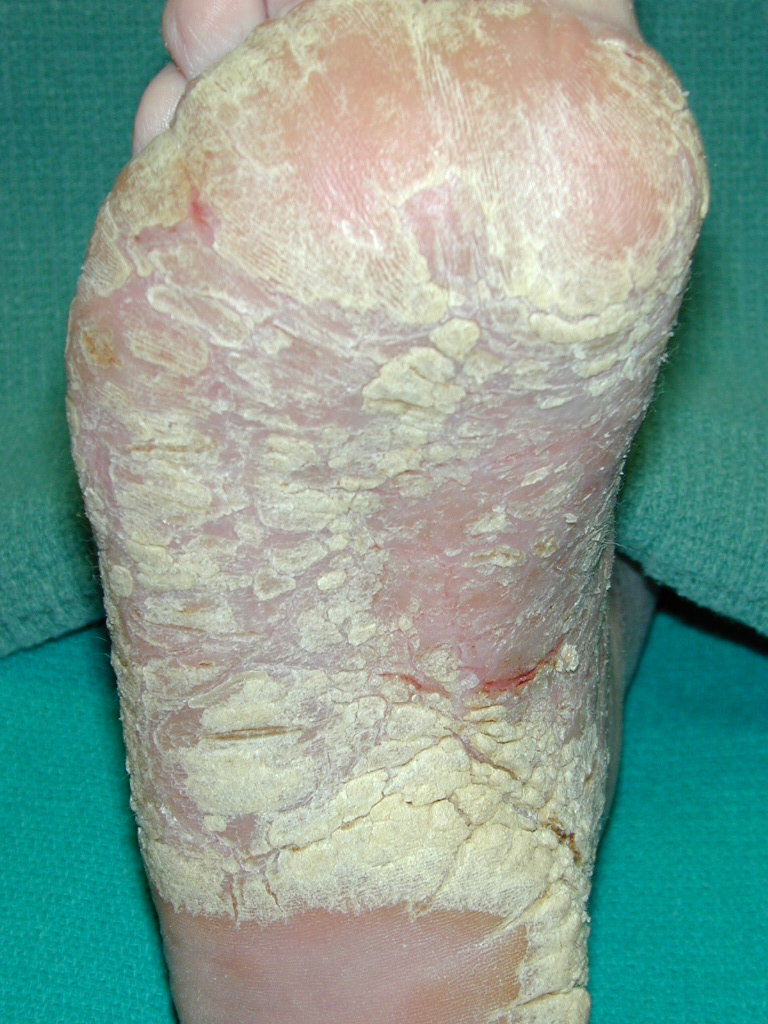
- Rough, flaky, or scaly skin
- Thickened, yellow‑white callus
- Painful cracks (fissures)
- Itching or burning
- Tightness or discomfort when standing or walking
In simple terms: dry skin can start as a nuisance but can progress to painful cracks that make walking uncomfortable.
Why Cracked Heels Matter
- Deep cracks can be painful
- Open skin increases infection risk
- People with diabetes or poor circulation heal more slowly
- Pain and appearance can affect daily activities
In simple terms: once the skin barrier breaks down, germs get in more easily and healing takes longer.
How We Assess Dry Skin and Cracked Heels
We look at:
- The pattern and location of dryness
- Thickness of callus and depth of cracks
- Foot structure and gait
- Signs of fungal infection or eczema
- Medical history that affects healing
In simple terms: we look for the cause, not just the symptoms.
Treatment Options for Dry Skin of the Feet
In‑clinic care
- Gentle, sterile removal of thick, dry skin
- Treatment of fungal or other skin infections
- Footwear and insole recommendations to reduce friction and heel expansion
At‑home care
- Regular use of urea‑based or lactic‑acid moisturizers
- Applying cream once or twice daily, especially after bathing
- Avoiding aggressive self‑treatment with blades or razors
- Using mild cleansers and lukewarm water
In simple terms: we combine in‑clinic treatment with a simple home routine to restore healthier skin.
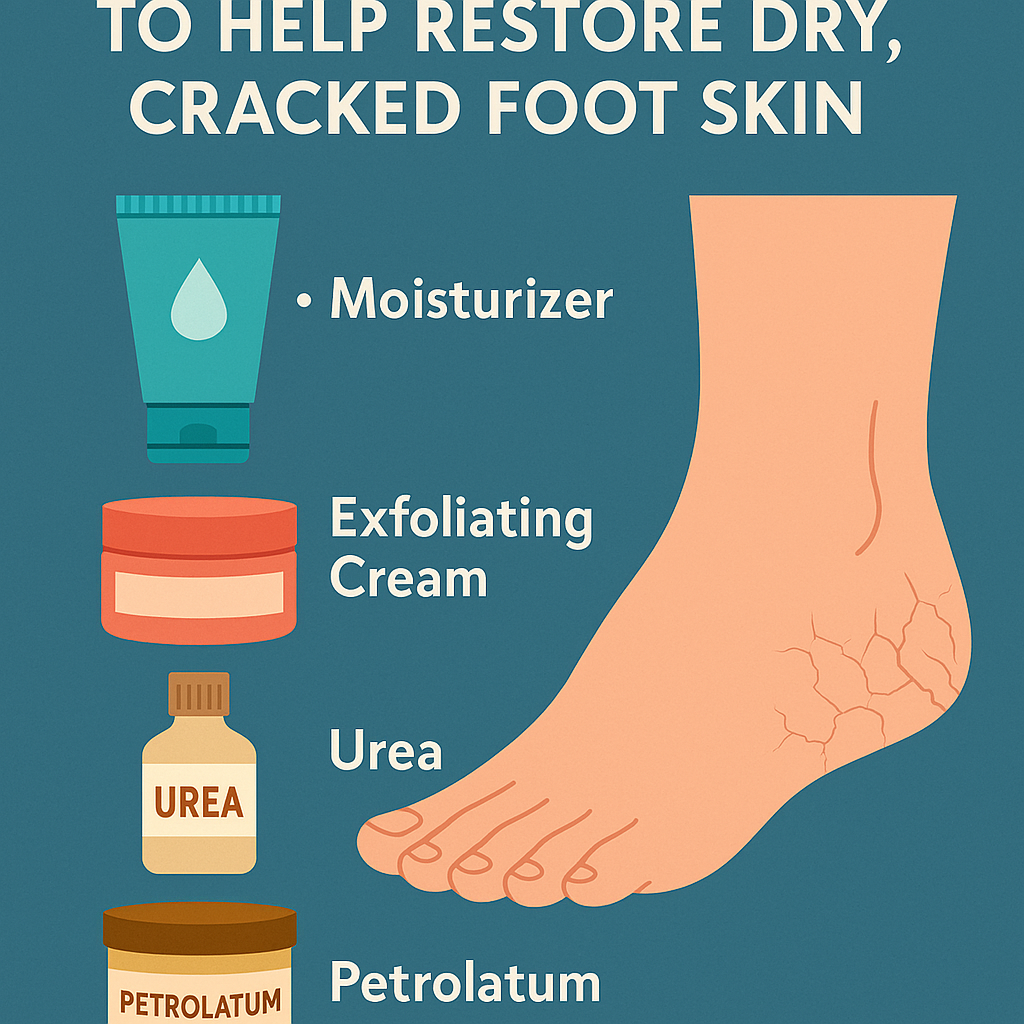
Topical Treatments That Help Restore Dry, Cracked Foot Skin
Foot skin is thicker than skin elsewhere, so not all moisturizers work the same. The most effective products fall into a few groups.
Note: Always check the product label for the exact concentration and consult a healthcare provider, especially if you have diabetes, poor circulation, or sensitive skin.
1. Moisturizers That Penetrate Thick, Dry Skin
Urea-based creams (10–25%)
- Eucerin Urea Repair Plus 10% Urea Foot Cream
- Scholl’s 25% Urea Cream
- Dermal Therapy Heel Care 25% Urea
- Urisec 22 (22% Urea)
- Eucerin Dry Skin Intensive Foot Cream 10% Urea
- O’Keeffe’s Healthy Feet
- Gehwol FUSSKRAFT Soft Feet Butter
- Gehwol med Lipidro Cream
- Allpresan Pedicare No. 3 Foam Cream
- Allpresan Foot Special Foam Cream (10% Urea)
- Podoexpert by Allpremed Dry to Cracked Skin Foam
Lactic acid or other AHA creams (for exfoliation and hydration)
- AmLactin Foot Repair Foot Cream Therapy
- Glytone AHA+ Ultra Softening Foot Cream
- Eucerin Complete Repair Moisturizing Foot Cream
Ceramide-rich moisturizers (for barrier repair and moisture retention)
- CeraVe Moisturizing Cream
- Eucerin Advanced Repair Cream
- La Roche-Posay Cicaplast Baume B5
- Allpresan Derma Med Hydro Intensive Care Foam Cream
- Podoexpert by Allpremed Repair Foam Cream
Petrolatum-based ointments for overnight protection
- CeraVe Healing Ointment
- Vaseline Healing Jelly (100% Pure Petroleum Jelly)
- Aquaphor Healing Ointment
- Kerasal Intensive Foot Repair Ointment
2. Treatments for Stubborn Callus and Heel Fissures
Urea 25–40% formulations
- Dermal Therapy Heel Care 25% Urea
- Eucerin UreaRepair Plus 30% Urea Foot Cream
- OUKEYA Urea Cream 40%
- Grocerism Urea 40% Plus Salicylic Acid
- Clyecfra 60% Urea & 2% Salicylic Acid Cream
- Scholl’s 25% Urea Cream
- PurOrganica Urea 40% Foot Cream
- Morovan Urea Cream 40%
- QQWIAX Urea Cream 40%
- Gehwol Med Salve for Cracked Skin
- Gehwol Med Callus Cream
- Podoexpert by Allpremed Cracked Heel Cream
Low‑strength salicylic acid (used cautiously in diabetes or reduced sensation)
- CeraVe SA Foot Cream
- Kerasal Intensive Foot Repair (salicylic acid and urea)
- Ebanel Urea Cream 40% Plus Salicylic Acid 2%
- OUKEYA Urea Cream 42% with 2% Salicylic Acid
- Grocerism Urea Cream 40% with 2% Salicylic Acid
- VREKEF Urea Cream 40% with Salicylic Acid
- ENVISHA 42% Urea 2% Salicylic Acid
- Gold Bond Softening Foot Cream (contains salicylic acid)
- Flexitol Heel
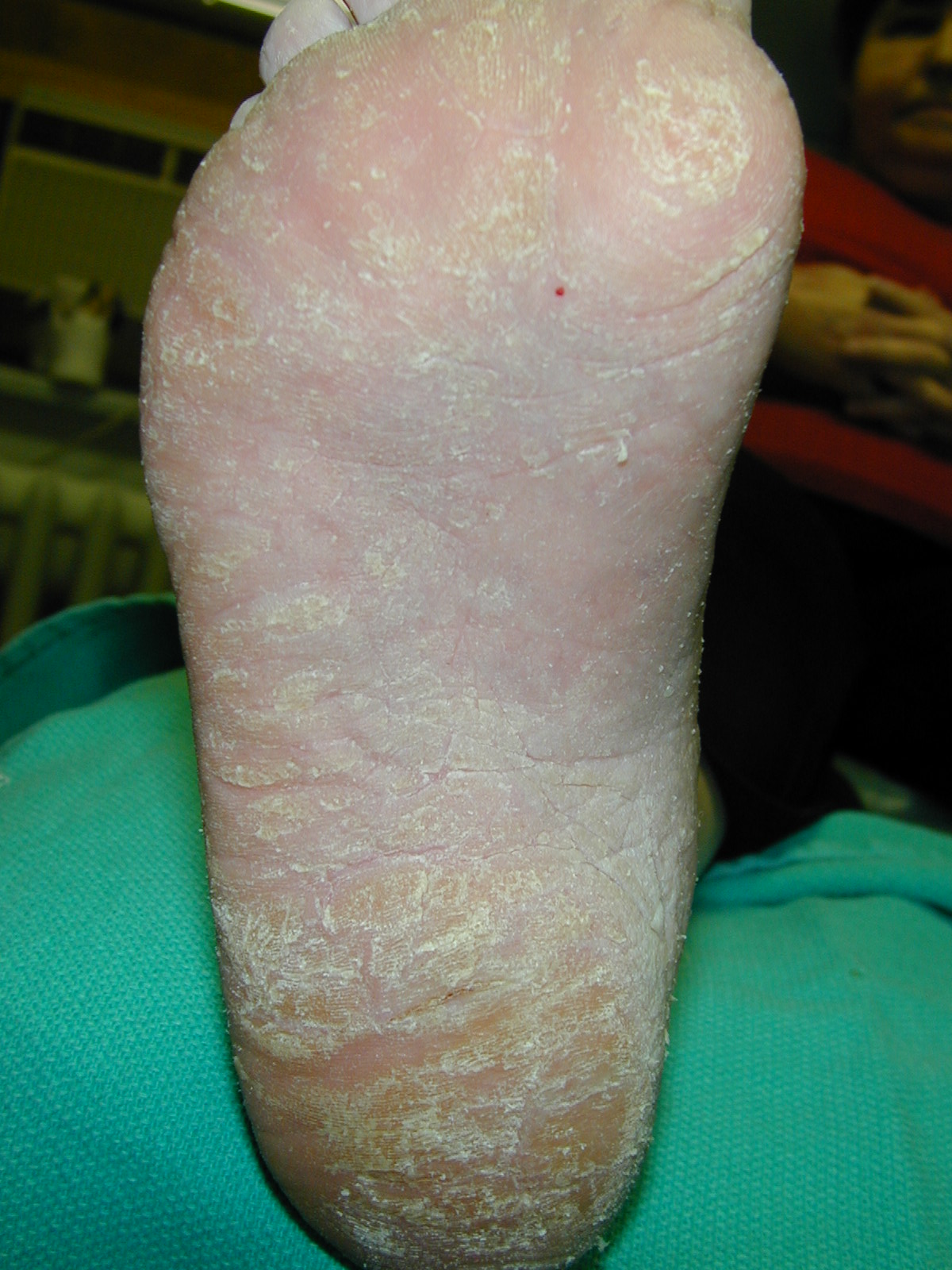
3. Treatments When Dryness Is Caused by Fungus
Topical Antifungals to control or eliminate skin fungus (Either prescription or OTC, tolnaftate, miconazole, terbinafine, clotrimazole, ketoconazole)
Sprays
- Tinactin Antifungal Powder Spray (Tolnaftate 1%)
- Fungi Nail Anti‑Fungal Spray .
Powders
- Tinactin Antifungal Powder (Tolnaftate 1%)
- Zeasorb AF Powder (Miconazole 2%)
Creams
- Canesten Antifungal Cream (Clotrimazole 1%) .
- Clotrimaderm (Clotrimazole 1%)
- Micatin Cream (Miconazole) .
- Tinactin Cream (Tolnaftate 1%)
- Gehwol FUSSKRAFT
- Podoexpert by Allpremed Reddened & Itching Skin Foam
4. Treatments for Eczema-Type Dryness
Hydrocortisone 0.5–1%
-
Life Brand Hydrocortisone Cream/Ointment
- Cortate Hydrocortisone Cream
- Polysporin Eczema Essentials 1% Hydrocortisone Anti-Itch Cream
- Option+ Hydrocortisone Cream
- Gold Bond Medicated Intensive Eczema Relief Cream, 1% Hydrocortisone
Barrier creams with ceramides or dimethicone
- CeraVe Moisturizing Cream
- La Roche-Posay Cicaplast Baume B5
- Cetaphil Restoraderm
- Aveeno Skin Relief Moisturizing Lotion
- Eucerin Advanced Repair Cream
- Jart+ Ceramidin Cream
- Glysomed Eczema Control Soothing Cream
- Allpresan Derma Med Hydro Intensive Care Foam Cream
Colloidal Oatmeal-based cream
- Aveeno Eczema Care Daily Moisturizing Cream
- Aveeno Intense Relief Overnight Cream
- La Roche-Posay Lipikar Soothing Relief Eczema Cream
- First Aid Beauty Ultra Repair Cream
- Gold Bond Medicated Intensive Eczema Relief Cream
- Glysomed Eczema Control Soothing Cream
Supportive Products That Make Treatments More Effective
- Moisturizing socks or occlusive wraps
- Gentle cleansers
- Humectant-rich foot balms for long-lasting hydration
In simple terms: these boost the effectiveness of your main treatment.
When to Seek Professional Care
Consider an assessment if:
- Cracks are painful, deep, or bleeding
- You have diabetes or circulation issues
- The skin looks red, warm, or swollen
- Over‑the‑counter creams haven’t helped
- You’re unsure if it’s dryness, fungus, or eczema
In simple terms: if your feet hurt, the skin is breaking down, or healing is slow, it’s safer to have them checked.
Professional Dry Skin & Cracked Heel Treatment in Whitby
Dry, cracked skin is common, but it doesn’t have to be something you live with. By understanding the cause, improving foot mechanics where needed, and using the right skin‑care routine, most people get significant relief.
We can:
- Assess your skin, foot structure, and footwear
- Safely reduce thick, painful callus
- Identify and treat underlying infection or skin conditions
- Create a simple, realistic home‑care plan