
Athlete’s Foot (Tinea Pedis) Treatment in Whitby
Athlete’s foot (tinea pedis) is a common fungal skin infection that affects people of all ages—not just athletes. It develops when dermatophyte fungi feed on keratin in the skin, causing redness, itching, peeling, and irritation. Because fungi thrive in warm, moist environments, the feet are especially vulnerable. We provide assessment, treatment, and prevention strategies to help clear the infection and stop it from returning.
What Causes Athlete’s Foot?
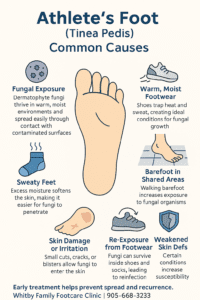
Athlete’s foot is caused by dermatophyte fungi—simple parasitic organisms that grow in warm, moist, dark environments. Footwear traps heat and moisture, creating ideal conditions for fungal growth. The infection spreads easily in shared spaces such as:
-
Locker rooms
-
Swimming pools
-
Communal showers
-
Gym change rooms
Skin injury or irritation increases susceptibility, making it easier for fungi to invade.
Common Symptoms
Athlete’s foot can appear in several forms, but typical symptoms include:
-
Redness and itching
-
Peeling or cracking skin
-
Small fluid‑filled bumps
-
Burning or stinging sensations
-
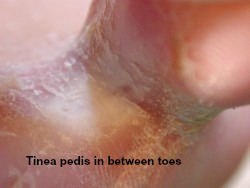
Soft, white, soggy skin between the toes
-
Dry, scaly patches on the soles
Symptoms often worsen in tight footwear or after sweating.
Where Athlete’s Foot Appears
The infection most commonly affects:
-
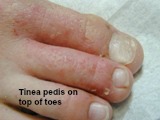
The spaces between the toes
-
The bottom of the feet
-
The sides of the feet
These areas remain warm and moist inside footwear, allowing fungi to multiply.
How We Assess Athlete’s Foot
A clinical assessment includes:
-
Identifying the type and severity of the fungal infection
-
Checking for secondary bacterial infection
-
Evaluating skin integrity
-
Reviewing footwear and moisture‑related risk factors
-
Assessing for contributing conditions such as sweating, skin injury, or circulation issues
This helps determine the safest and most effective treatment plan.
Treatment Options for Athlete’s Foot
Topical Antifungal Therapy
We recommend evidence‑based antifungal treatments to eliminate the infection and reduce recurrence.
Skin Debridement (When Needed)
Removing loose, thickened, or peeling skin can help topical treatments penetrate more effectively.
Moisture & Sweat Management
Guidance on socks, footwear materials, and drying techniques to reduce fungal growth.
Footwear & Hygiene Strategies
We help you identify habits and environments that may be contributing to the infection.
Prevention of Reinfection
Education on cleaning footwear, avoiding barefoot exposure in shared spaces, and maintaining healthy skin.
How Athlete’s Foot Spreads
Fungal infections are easily transmitted through:
-
Shared showers and locker rooms
-
Pool decks
-
Damp floors
-
Contaminated footwear or socks
Because fungi are microscopic and widespread in the environment, avoiding exposure entirely is difficult. Proper foot hygiene and early treatment are essential.
and even apply custom CSS to this text in the module Advanced settings.
When to Seek Treatment
You should book an assessment if you notice:
-
Persistent itching or redness
-
Peeling or cracking skin between the toes
-
Blistering or fluid‑filled bumps
-
Spreading rash
-
Painful or worsening symptoms
-
Signs of secondary infection (swelling, warmth, drainage)
People with diabetes or poor circulation should seek care promptly, as fungal infections can progress more quickly.
Athlete’s Foot Treatment in Whitby
We provide safe, effective treatment for athlete’s foot, along with guidance on footwear, hygiene, and prevention. Our goal is to clear the infection, restore skin health, and reduce the risk of recurrence.
Book an Appointment
If you’re experiencing symptoms of athlete’s foot or recurring fungal infections, early treatment can help prevent complications and stop the infection from spreading.