
Systemic Complications of Diabetes in Whitby
Diabetes affects the entire body, and many of its long‑term complications can influence foot health. Changes in circulation, nerve function, immune response, and tissue healing increase the risk of foot injuries, infections, and ulcers. Understanding how diabetes impacts different systems helps explain why regular foot assessments are essential for long‑term safety and mobility.
Cardiovascular Complications
Diabetes increases the risk of heart disease and stroke. Reduced blood flow affects the legs and feet first because they are farthest from the heart. Poor circulation slows healing, increases infection risk, and makes even small wounds more serious.

Nerve Damage (Neuropathy)
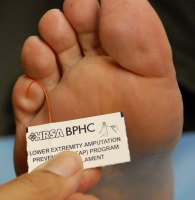
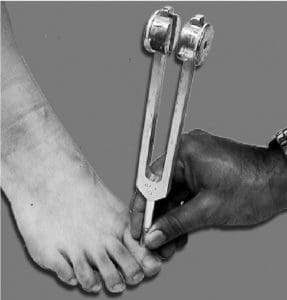
High blood sugar can damage nerves throughout the body. In the feet, neuropathy reduces the ability to feel pain, pressure, or injury. Cuts, blisters, or burns may go unnoticed, allowing problems to progress before they are detected. Loss of protective sensation is one of the strongest predictors of diabetic foot ulcers.
Vision Loss
Diabetes can damage the blood vessels in the eyes, leading to vision changes or blindness. Reduced vision makes it harder to inspect the feet daily, increasing the chance of missing early signs of injury or infection.
Kidney Disease
Kidney damage affects the body’s ability to filter waste and regulate fluid balance. As kidney disease progresses, swelling in the legs and feet may increase, and the skin becomes more fragile. These changes raise the risk of skin breakdown and infection.
Sexual Dysfunction
Diabetes can affect blood flow and nerve function in multiple areas of the body, including the reproductive system. While not directly related to the feet, sexual dysfunction is a sign of widespread vascular and nerve changes conditions that also increase foot‑related risks.
How Systemic Complications Affect Foot Health
Systemic diabetes complications often appear in the feet first because of the combination of:
-
reduced circulation
-
nerve damage
-
slower healing
-
increased pressure on weight‑bearing tissues
-
reduced ability to detect injury
These factors make preventative foot care essential for anyone living with diabetes.
Supporting Foot Health When Systemic Complications Are Present
While this page focuses on whole‑body complications, many of these issues directly increase the risk of foot problems. Regular foot assessments help detect:
-
early skin changes
-
pressure points
-
reduced sensation
-
circulation issues
-
signs of infection
Early detection prevents small issues from becoming serious complications.
Diabetic Foot Care in Whitby
Our clinic provides diabetic foot assessments, preventative care, and ongoing monitoring to help reduce the risk of ulcers, infections, and other complications linked to systemic diabetes. Consistent foot care is an important part of managing long‑term health.
Book an Appointment
Book an appointment If you have diabetes, regular foot assessments can help prevent serious complications.