
Poor Circulation in the Foot: Treatment in Whitby
Poor circulation in the feet can lead to pain, slow healing, skin breakdown, and increased risk of infection. When blood flow is reduced—whether from peripheral vascular disease, arterial blockages, or pressure from footwear, the tissues do not receive enough oxygen to stay healthy. We assess and manage circulation‑related foot problems at our Whitby clinic to help prevent complications and protect long‑term mobility.
What Causes Poor Circulation in the Feet
Circulation problems often develop from conditions that restrict blood flow into the lower limbs. Common causes include:
-
Peripheral vascular disease
-
Arterial blockages from lifestyle factors
-
Poorly fitted footwear that compresses the skin
-
Long‑standing diabetes
-
Age‑related vascular changes
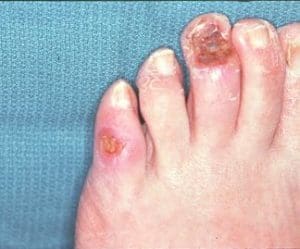
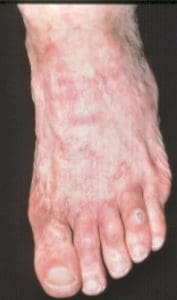
When circulation is impaired, even small areas of pressure can lead to skin breakdown, delayed healing, or tissue death (necrosis). In severe cases, this can progress to dry gangrene.
Symptoms of Poor Foot Circulation
People with reduced circulation may experience:
-
Pain after walking short distances (intermittent claudication)
-
Night‑time leg or foot pain relieved by hanging the foot down
-
Cold feet or colour changes
-
Slow‑healing cuts or blisters
-
Numbness or tingling
-
Thin, fragile, or shiny skin
These symptoms often worsen gradually and may be more noticeable during activity or at night.
How Poor Circulation Affects Foot Health
When blood flow is limited:
-
Skin cannot repair itself normally
-
Pressure points become vulnerable to breakdown
-
Minor injuries may progress to ulcers
-
Infection risk increases
-
Tissue death (necrosis) can occur in severe cases
Because the feet are far from the heart and bear body weight, they are often the first place circulation problems appear.
How We Assess Poor Circulation
A circulation‑focused foot assessment may include:
-
Visual inspection of skin and nails
-
Evaluation of temperature, colour, and capillary refill
-
Identification of pressure points or areas at risk
-
Footwear assessment
-
Referral for Doppler ultrasound to evaluate arterial flow when needed
This helps determine the severity of the circulation issue and guides safe treatment.
Treatment Options for Poor Circulation
Proper Footwear
Shoes that fit well and do not compress the skin help maintain blood flow and prevent pressure‑related injury.
Soft, Flexible Orthoses
Orthotics reduce abnormal foot alignment and lower pressure on vulnerable areas of the feet and toes. This helps prevent skin breakdown in patients with compromised circulation.
Skilled Foot Care
Regular care reduces the risk of calluses, corns, and nail problems that can become dangerous when circulation is poor. Chiropodists help minimize pressure and protect fragile skin.
Medical & Surgical Referral
When circulation is severely reduced, medical or vascular surgical intervention may be required to restore blood flow. We coordinate care when needed.
When to Seek Care
You should book an assessment if you notice:
-
Pain when walking short distances
-
Night‑time foot or leg pain
-
Slow‑healing wounds
-
Cold, pale, or discoloured feet
-
Pressure areas from footwear
-
Any signs of skin breakdown
Early intervention helps prevent serious complications.
Poor Circulation Treatment in Whitby
We provide assessment, pressure‑relief strategies, orthotic therapy, and footwear guidance for patients with poor circulation in the feet. Our goal is to protect the skin, reduce pain, and prevent progression to ulcers or tissue damage.
Book an Appointment
Book an appointment If you’re noticing changes in temperature, colour, or healing in your feet, early assessment can prevent more serious circulation‑related complications