
Metatarsal Stress Fracture Treatment in Whitby
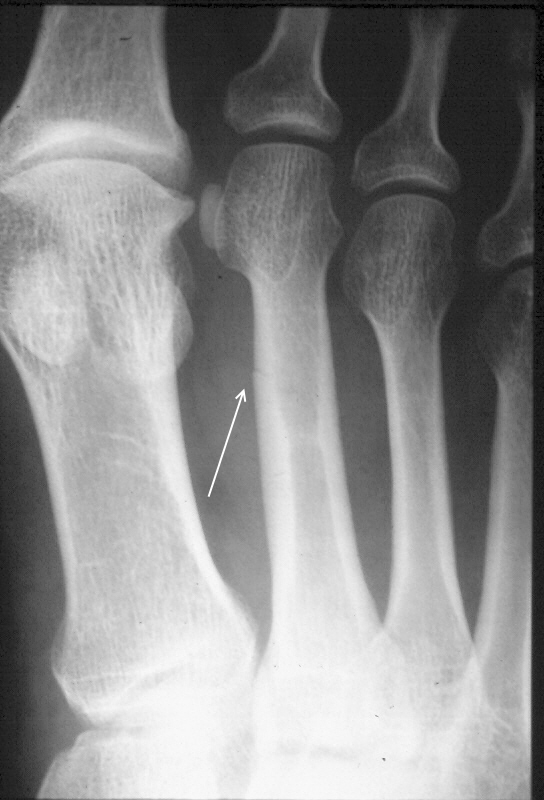
A metatarsal stress fracture is a small crack in one of the long bones of the foot, often caused by repetitive stress, overuse, or changes in activity level. These injuries can be painful and may worsen without proper treatment. We assess and treat metatarsal stress fractures at our Whitby clinic to help you heal safely and return to activity.
What Is a Metatarsal Stress Fracture?
A stress fracture is a tiny break in the bone caused by repetitive loading rather than a single traumatic event. It commonly affects the metatarsals — the long bones in the forefoot — especially in active individuals or those with foot structure issues.
Symptoms
Common symptoms include:
-
Sharp or aching pain in the forefoot
-
Pain that worsens with weight‑bearing
-
Swelling on the top of the foot
-
Tenderness over the affected metatarsal
-
Redness or bruising
-
Pain that improves with rest but returns with activity
Causes
Metatarsal stress fractures can occur due to:
-
- Sudden increase in activity
- Osteoporosis or low bone density
- Foot deformities (e.g., bunions, flat feet)
- Poor footwear
- High‑impact exercise
- Obesity
- Repetitive forefoot loading
What to Do If You Suspect a Stress Fracture
If you think you may have a stress fracture:
-
Stop high‑impact activity
-
Keep weight off the foot
-
Apply ice
-
Use a stiff‑soled shoe or walking boot
-
Seek medical assessment promptly
Early diagnosis prevents the fracture from worsening.
How a Stress Fracture is Assessed
Assessment may include:
-
-
Physical examination
-
Palpation of the metatarsals
-
X‑ray referral
-
Bone scan if the fracture is not visible on X‑ray
-
Treatment Options
Offloading
Reducing pressure on the affected bone is essential for healing.
Taping or Padding
Used to support the foot and reduce strain on the fracture site.
Walking Boot or Aircast
Immobilization helps protect the bone during healing.
NSAIDs
Short‑term use may help reduce pain and inflammation.
Physical Therapy Modalities
Laser therapy or other modalities may help reduce pain and promote healing.
Healing Time & Prognosis
Most metatarsal stress fractures heal within 4–8 weeks with proper offloading and activity modification. Returning to activity too soon can delay healing or worsen the fracture.
When to Seek Care
Book an assessment if you experience:
- Persistent forefoot pain
- Swelling that doesn’t improve
- Pain during walking or running
- Pain after increasing activity
- Difficulty bearing weight
Metatarsal Stress Fracture Treatment in Whitby
We provide full assessment, imaging referrals, offloading strategies, and treatment plans to help your foot heal properly and prevent future injury.
Book an Appointment
Book an appointment, if you’re experiencing sharp forefoot pain or suspect a stress fracture, early assessment is important to prevent the injury from worsening.