
Ingrown Toenails in Whitby: Causes, Symptoms & Treatment Options
Ingrown toenails can be painful, swollen, and difficult to manage at home. Our chiropodists provide safe, effective, and gentle treatment to relieve discomfort, prevent infection, and stop the problem from returning.
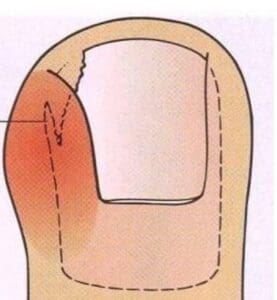
What Is an Ingrown Toenail?
An ingrown toenail occurs when the edge of the nail grows into the surrounding skin. This often leads to:
- Pain or tenderness along the nail edge
- Redness or swelling
- Warmth or throbbing
- Drainage or signs of infection
- Difficulty wearing shoes
The big toe is most commonly affected, but any toenail can become ingrown.
Why Ingrown Toenails Happen
Several factors can cause or worsen ingrown toenails, including:
-
Improper nail trimming
-
Tight or narrow footwear
-
Curved or involuted nails
-
Repeated trauma (sports, running, stubbing the toe)
-
Genetics
-
Excessive sweating
-
Fungal nail infections
Understanding the cause helps us prevent the issue from returning.
Types of Ingrown Toenails
Non‑Infected Ingrown Toenail
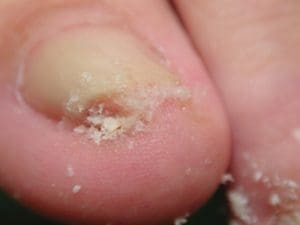
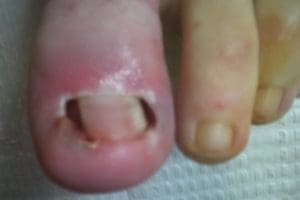
This is the most common type. It happens when the toenail is naturally curved and begins to dig into the skin along the nail border.
Typical symptoms include:
- A sharp, knife‑like pain along the toenail edge
- Redness and irritation
- A callus or corn forming in the nail skin groove
- Pain from even light pressure — socks, shoes, or bedsheets
What NOT to do
Avoid digging at the nail or trying to cut it yourself. This often makes the problem worse and can easily lead to infection.
Infected Ingrown Toenail
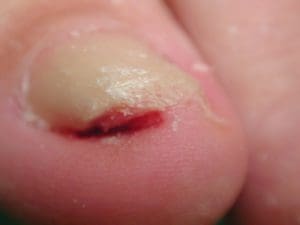
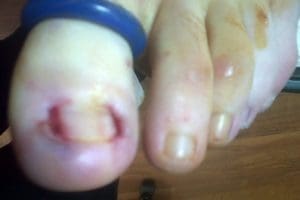
An infected ingrown toenail usually develops when the nail pierces the skin and continues to grow inward. This is often caused by improper nail cutting, trauma, or a naturally curved toenail.
Signs of infection include:
- Increased pain
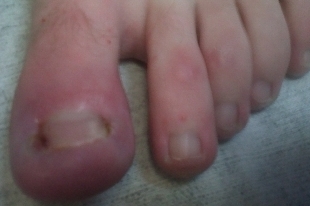
- Redness and swelling
- Warmth
- Drainage or pus
When to Seek Treatment
You should book an appointment if you notice:
-
Persistent pain along the nail edge
-
Redness, swelling, or warmth
-
Drainage or signs of infection
-
Difficulty walking or wearing shoes
-
Recurrent ingrown toenails
-
Ingrown nails in children or teens
-
Ingrown nails that do not improve with home care
Professional treatment is especially important if you have diabetes, circulation issues, or a weakened immune system.
How We Treat Ingrown Toenails
Our chiropodists provide safe, effective, and minimally invasive treatment options based on the severity of your symptoms.
1. Conservative Care
For mild to moderate cases, treatment may include:
-
Gently removing the offending nail edge
-
Cleaning and dressing the area
-
Reducing inflammation and pressure
-
Providing footwear and nail‑care guidance
This often provides immediate relief.
2. Medical Nail Care & Debridement
If the nail is thickened, curved, or difficult to trim, we can safely reshape and thin the nail to reduce pressure and prevent recurrence.
3. Partial Nail Removal (When Needed)
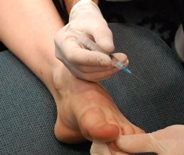
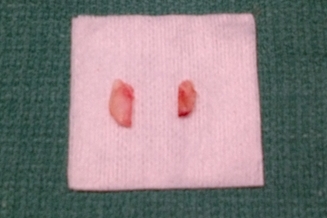
For recurring or severe ingrown toenails, a minor procedure may be recommended to remove a small portion of the nail. This is performed under local anesthesia for comfort.
This option is ideal when:
-
The nail repeatedly grows inward
-
Infection is present
-
The nail shape is severely curved
-
Conservative care has not helped
4. Infection Management
If an infection is present, we may recommend:
-
Topical medication
-
Oral antibiotics (when appropriate)
-
Proper wound care
Our goal is to resolve the infection quickly and prevent complications.
Preventing Ingrown Toenails
We help you reduce the risk of recurrence by addressing:
-
Proper nail trimming technique
-
Footwear choices
-
Nail shape and curvature
-
Skin and nail hygiene
-
Underlying biomechanical issues
If needed, we may also assess for contributing factors such as flat feet, toe deformities, or fungal nails.
Insurance Coverage
Most extended health plans cover chiropody/footcare services. We provide detailed documentation to support your claim.
ly again. Book your appointment to relieve your pain.
Book Your Ingrown Toenail Treatment in Whitby
If you’re dealing with pain, swelling, or recurring ingrown toenails, we can help. Our treatments are safe, effective, and designed to provide fast relief.
Book your appointment today.